
NCMRR Coastal Forum 2026: Restoring Balance - Protecting Coastal Wildlife in the Capes
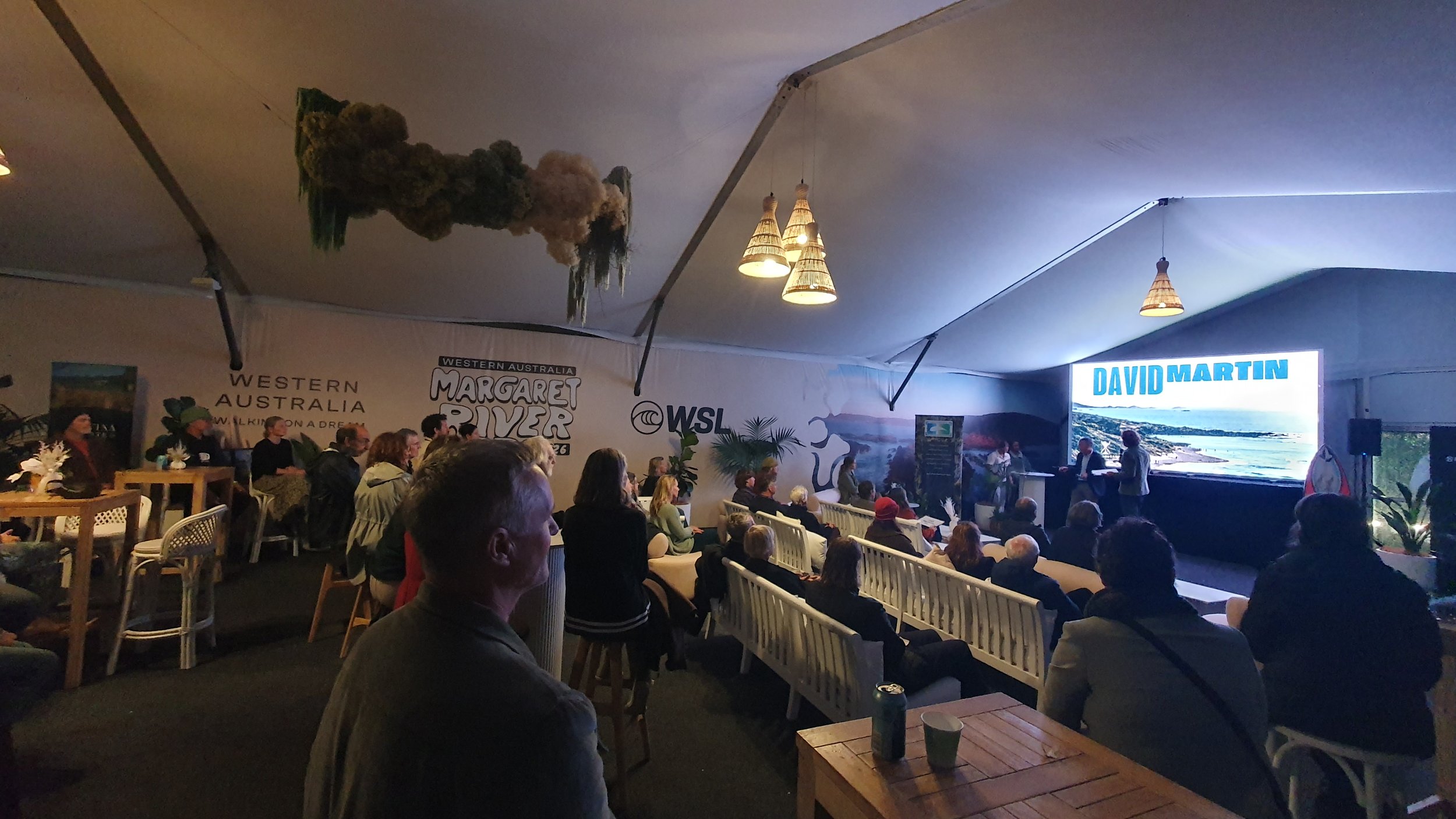
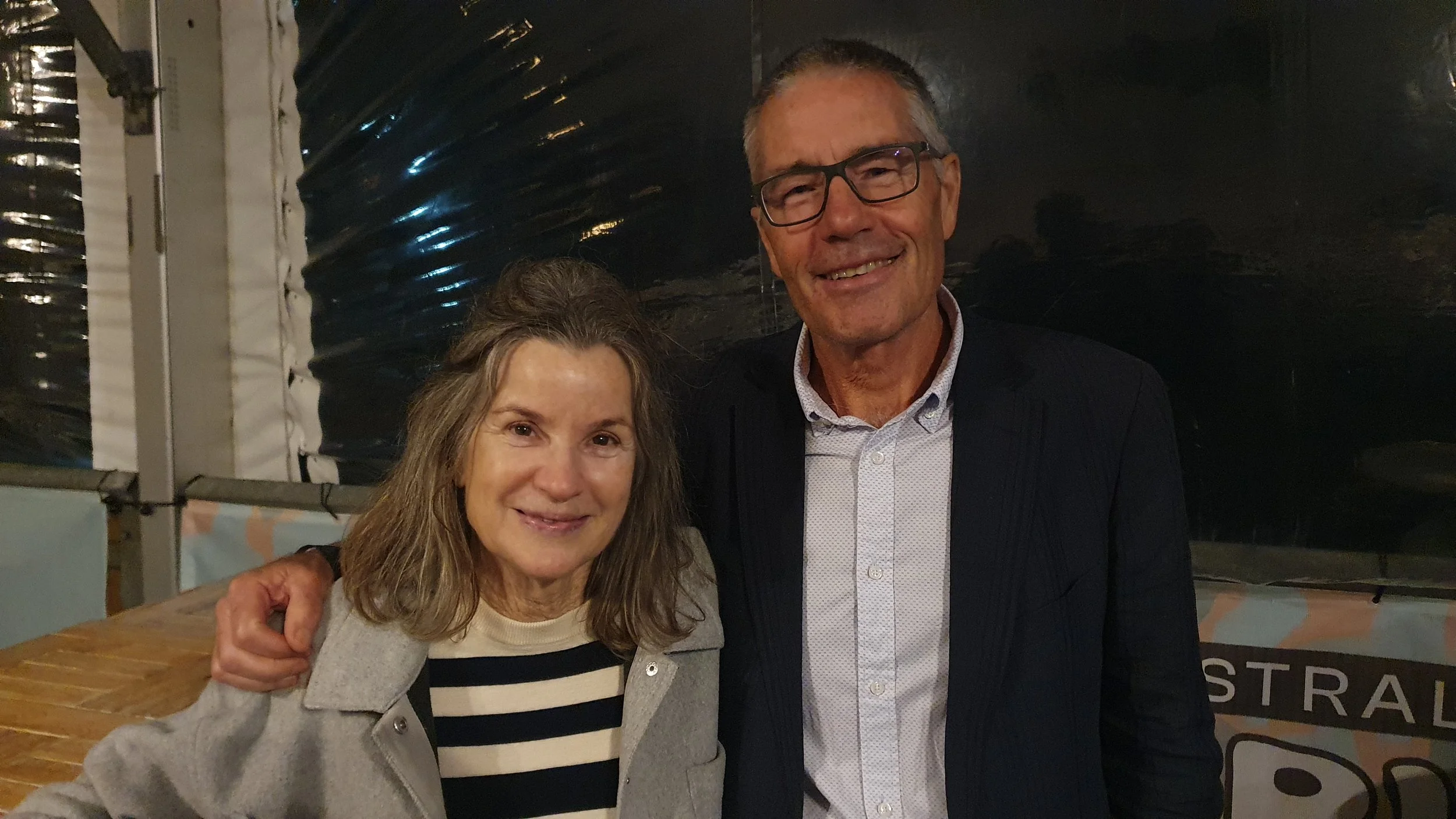
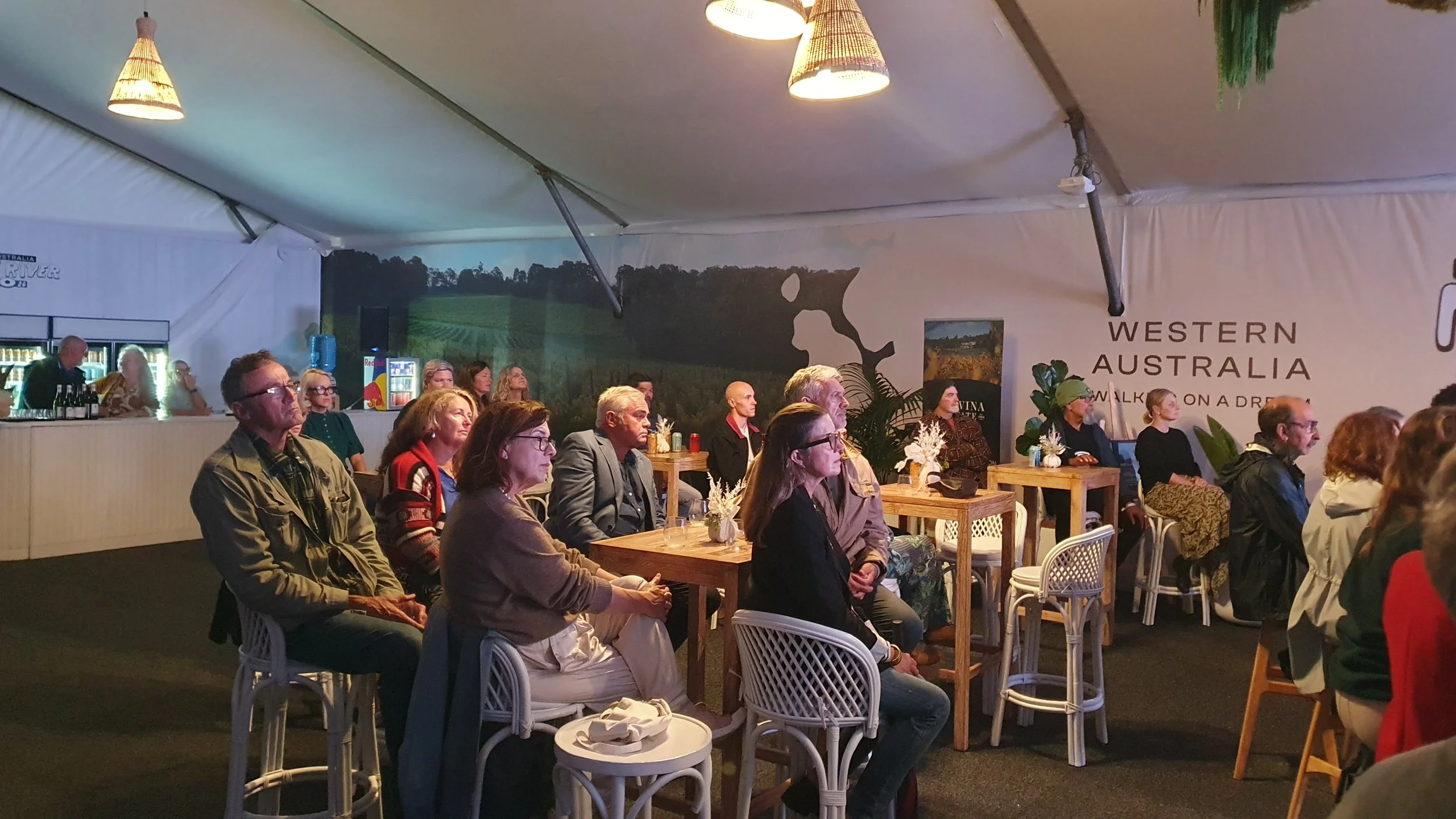
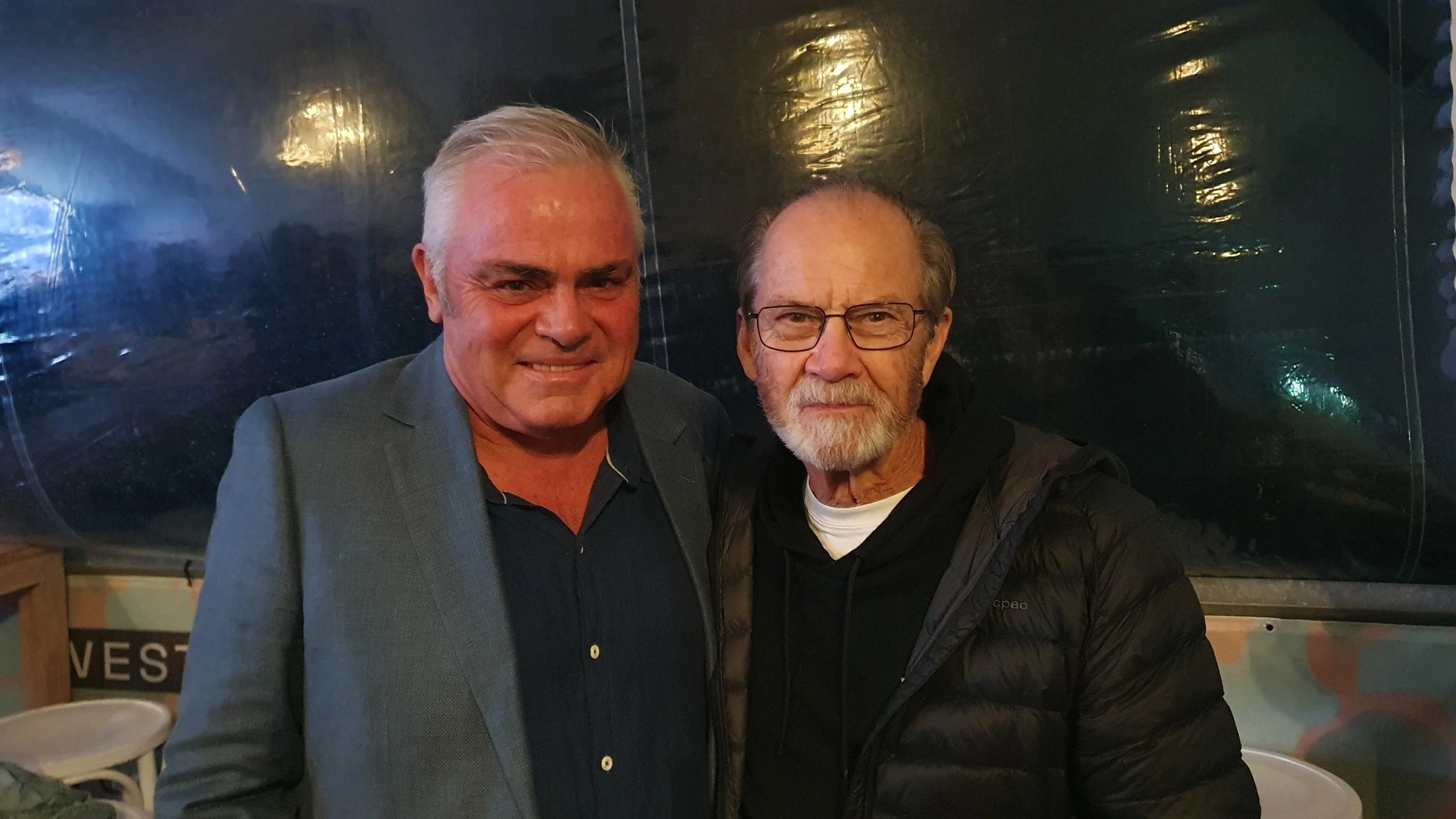
During the recent Margaret River Pro surfing contest, Nature Conservation Margaret River Region teamed up with the World Surf League to host the 2026 Coastal Forum, supported by Line in the Sand.
The forum explored projects and perspectives on wildlife monitoring, endangered shorebirds, and reviewing the role of dingo in conservation.
Nature Conservation Margaret River Region (NCMRR) CEO Aaron Jaggar kicked off presentations by discussing the Predator Free NZ Campaign being implemented in his home country with the aim of eradicating ferals by 2050.
Line in the Sand Committee member David Martin highlighted the role of Line in the Sand as an ‘enabler’ rather than a field implementer, and introduced the Capes Fauna Project, a remote camera monitoring program using motion-activated cameras to document native and feral fauna presence and activity on public and private land across the Cape to Cape region. For more details on this project, visit this page of our website.
David Guilfoyle from the Esperance Tjaltjraak Native Title Aboriginal Corporation presented some fascinating information on reframing dingo management, asking the question - what happens when we stop managing dingo and start coexisting with them? David’s work recognises the cultural and ecological importance of dingo, including its role in mitigating the impact of feral animals.
Tegan Knowles from BirdLife WA detailed the significant difficulties faced by the four types of nesting shorebirds that are known to visit the Capes coast - Sooty Oystercatchers, Red-capped Plover, Pied Oystercatcher and Hooded Plover. As chicks are foraging for themselves from day one, it’s vital that there are no disturbances on our local beaches that may affect their survival. The statistics reported by citizen scientists and volunteers across the Capes coastline shows disturbing evidence of fox, cat and dog tracks, as well as vehicles and birds of prey, which all threaten the birds’ ability to survive and successfully breed.
The engaged and enthusiastic audience, having braved wild weather to attend the evening, were left with the key messages to:
· Use your voice
· Recognise the role we’re already playing
· Share what we’ve learned.
Thankyou to NCMRR for addressing the important issues affecting our local environment, and bringing the community together to share ideas and learnings.